


Overview
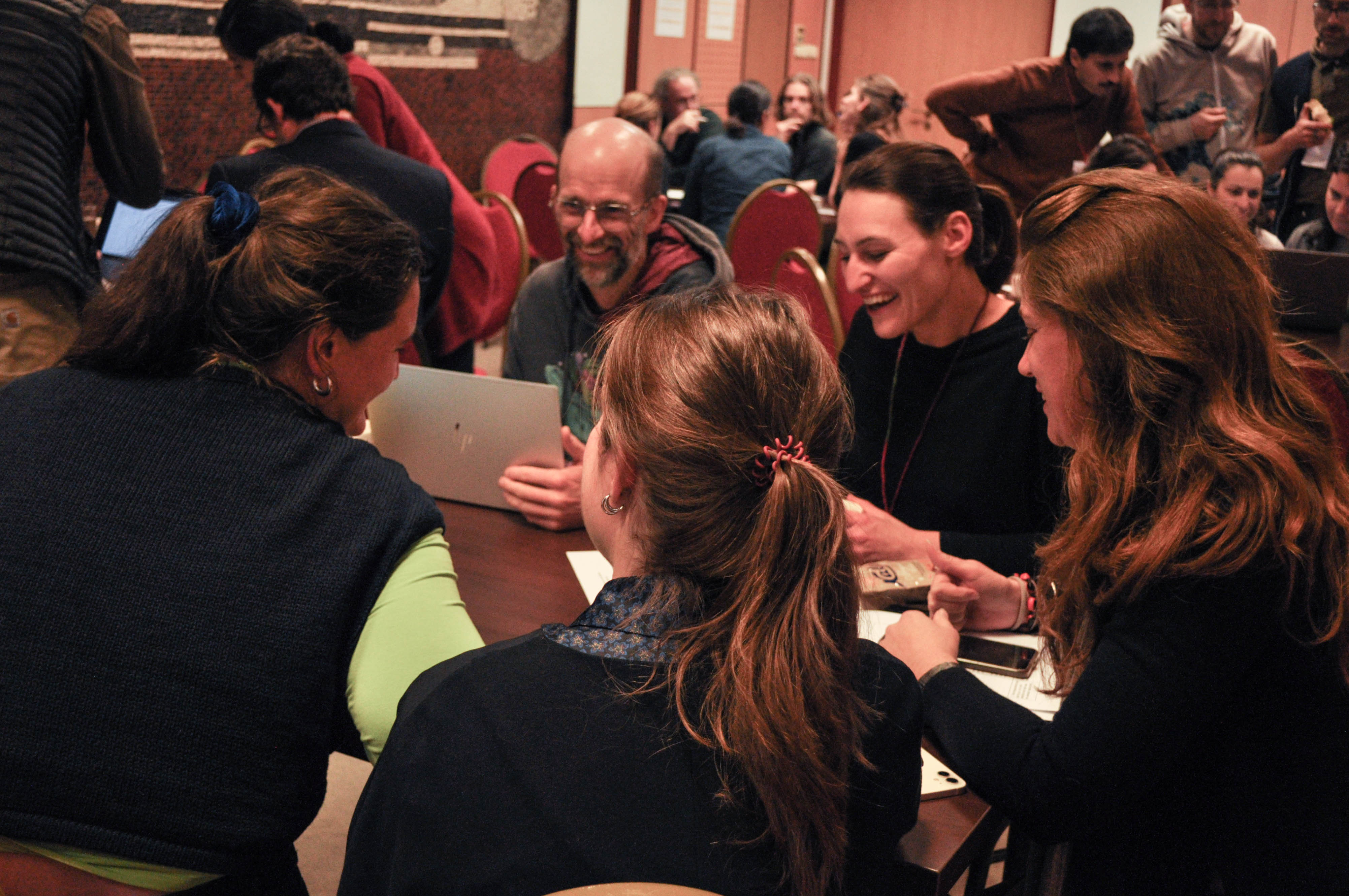 The Frontiers of Democratic Lotteries workshop was a two-day international event held in Budapest from 25 to 26 November 2025, bringing together over 30 practitioners and experts working with democratic lotteries and citizens’ assemblies across the EU. Participants included representatives from SORT-EU partner organisations, national recruitment and communication teams, EU-level deliberative democracy practitioners, and organisations from Germany and Vienna. The workshop aimed to assess current practices in democratic lotteries and collaboratively shape the development of OpenDLP, an open-source platform designed to support recruitment and management for both local and transnational citizens’ assemblies.
Day 1: Understanding Current Practices
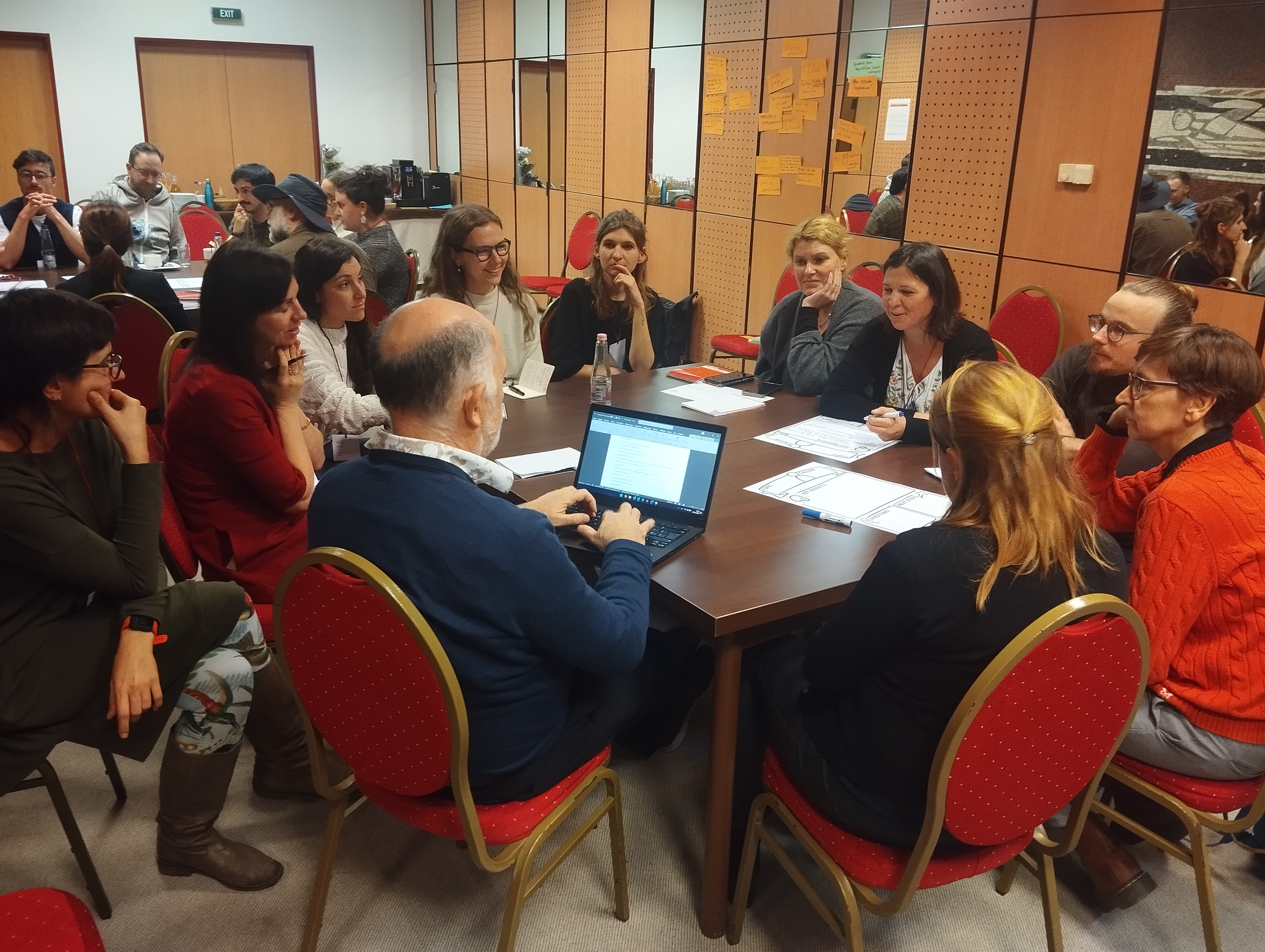 The first day opened with introductions and personal experience sharing on how democratic lotteries are conducted in various countries. Four storytellers each presented concrete examples of how lottery-based recruitment functions in their contexts. These sessions were followed by group work where participants collectively mapped success factors and challenges in democratic lotteries.
Key discussion points and recommendations from Day 1 included:
-
Recruitment challenges: Enhancing recruitment location selection and support mechanisms for individuals with special needs or fixed responsibilities (e.g., farmers).
-
Practical tools: Suggestions for more visible recruiter identifiers (such as branded caps or clothing), simpler address-tracking systems (including voice message options), and building national recruiter networks.
-
Reducing refusals: Strategies such as distributing advance letters before door-knocking, using visual outreach materials (e.g., photo booklets), revising FAQ content, and collaborating with local European Commission representatives.
-
Enhancing diversity: Engaging community multipliers to broaden outreach and presenting short videos about citizens’ assemblies during recruitment conversations.
-
Participant experience: Simplifying invitation materials, strengthening logistics teams, conducting multi-stage evaluations, developing alumni networks, and maintaining contact with non-selected individuals to collect feedback.
-
Publicity: Sharing photos and stories to enhance public visibility, coordinating with media outlets, and providing updates on citizen assembly outcomes.
Day 2: Shaping the OpenDLP Platform
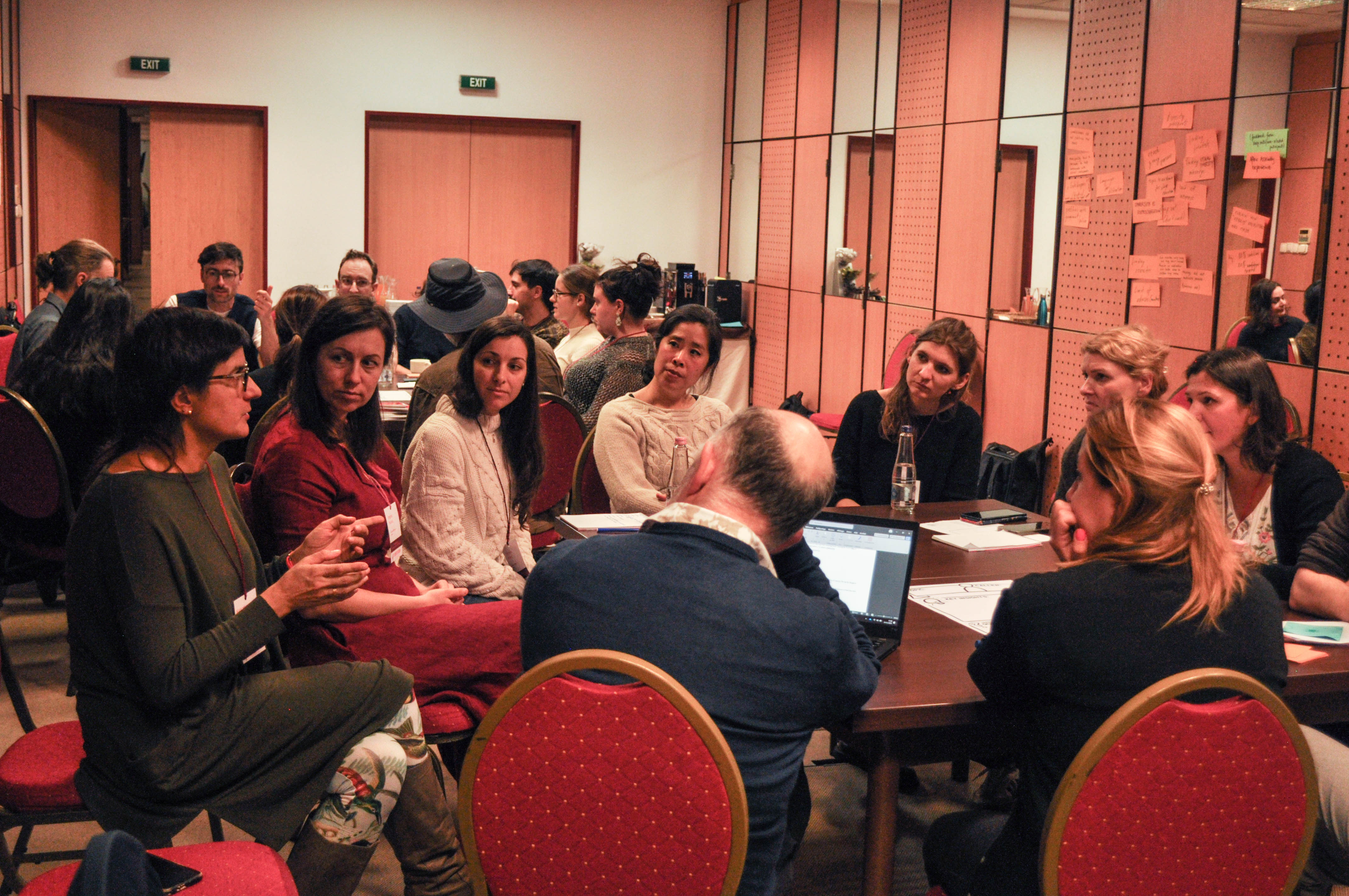
The second day focused on the future of digital tools supporting democratic lotteries, especially the newly developed OpenDLP platform. The morning sessions introduced the platform and revisited the challenges identified on Day 1, looking at how technology could address them.
Participants explored topics such as:
- Data ownership and privacy
- User experience and accessibility
- Multi-user environments
- Communication capabilities
- Process mapping and transparency
- Building trust with convenors
In afternoon breakout groups, members tested the platform hands-on, assessing usability and envisioning future capabilities. Demonstrations sparked discussions on expanding features for recruitment governance, participant support, and data analysis.
Key takeaways included broad enthusiasm for OpenDLP’s functionality – especially its potential to make practitioners more independent, processes more robust, and tools more accessible and affordable. Participants also saw value in integrating participant support and recruiter tools, lowering barriers for newcomers, enhancing collaboration in large consortia, and using data insights to improve sign-up rates and reduce dropout.